
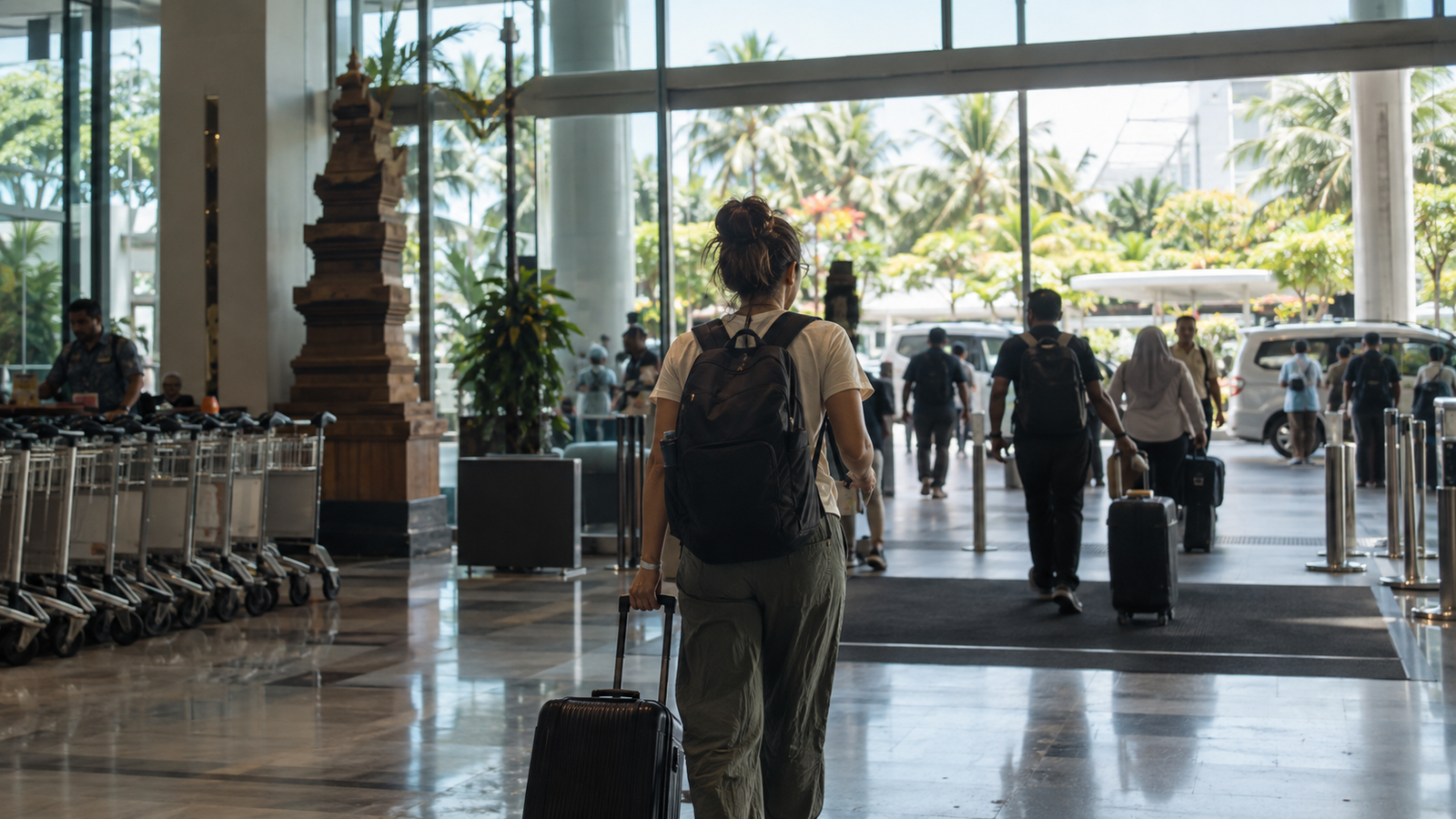


Indonesia can be an incredible place for a first trip to Southeast Asia, but it can also be easy to underestimate.
The country is enormous. Thousands of islands stretch across a huge distance, and every region can offer a completely different experience.
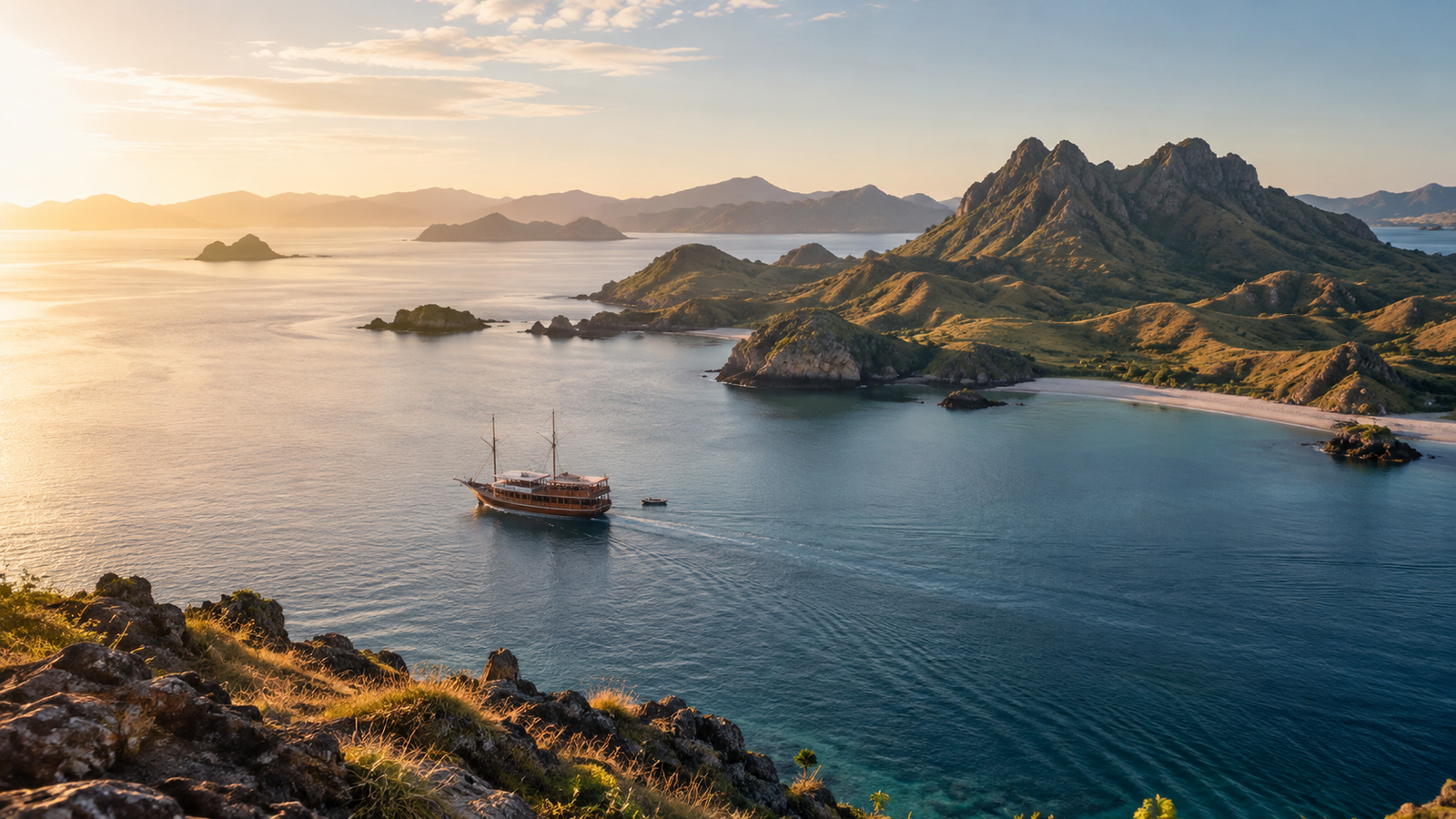
One trip might involve temples and cities in Java, another might take you sailing through Komodo, hiking in Lombok, exploring Bali, or cruising through the rainforest of Borneo.
That variety is part of what makes Indonesia special, but it also means that a little preparation can make your first visit much easier.
From entry requirements and weather to transportation and choosing how many places to visit, here are some useful things to know before traveling to Indonesia for the first time.
Check Your Entry Requirements Before Flying
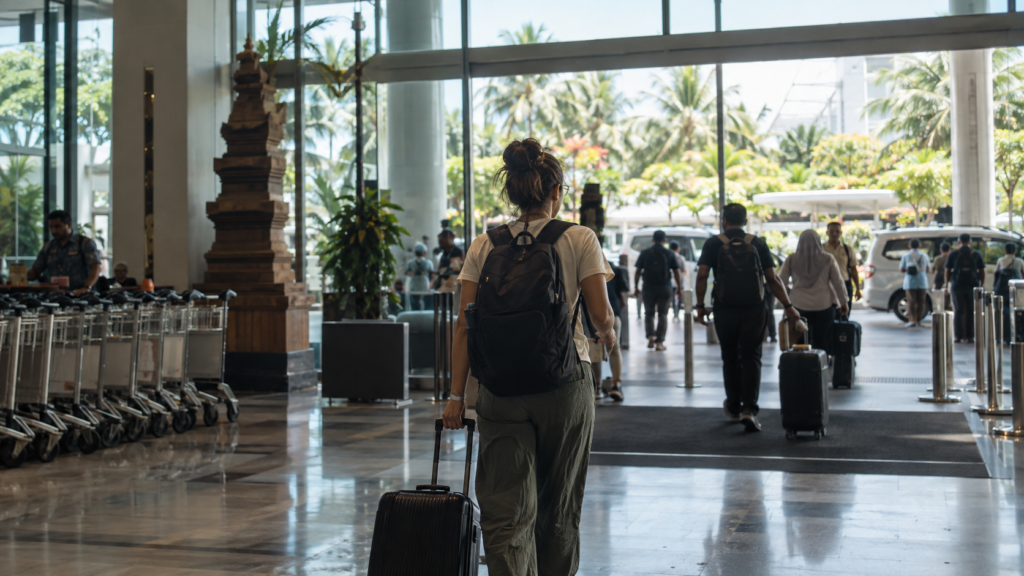
Entry requirements should be one of the first things you check when planning your trip.
Visa rules depend on your nationality, travel purpose and intended length of stay. Check the official Indonesian e-Visa portal for the current visa options and eligibility before departure.
Eligible travelers may be able to use Indonesia’s Visa on Arrival or electronic Visa on Arrival system. For e-VOA, official guidance requires a passport valid for more than six months and a return or onward ticket. Confirm the requirements for your visa type on the official e-Visa portal.
International passengers should also be aware of the All Indonesia arrival declaration system.
The system combines immigration, customs, health, and quarantine declarations into one digital arrival process. The Directorate General of Immigration says all international passengers have been required to submit the declaration since 1 October 2025. You can complete it up to three days before arrival through the official All Indonesia portal; see the Immigration FAQ for the current requirement.
Because immigration rules can change, always check the official Indonesian Immigration website again shortly before traveling.
Indonesia Is Much Bigger Than It Looks
One of the easiest mistakes to make on a first Indonesia trip is trying to visit too many places.
Bali, Java, Lombok, Flores, Sulawesi, and Borneo may all belong to the same country, but moving between them can involve flights, ferries, boats, trains, private transfers, and long road journeys.
A destination that looks relatively close on a map may still take much of the day to reach.
For your first visit, it is often better to explore fewer places properly rather than spend half the trip moving between airports and hotels.
If you have around one week, focusing on one main region can work very well.
With ten days or two weeks, combining two or three regions becomes much more comfortable.
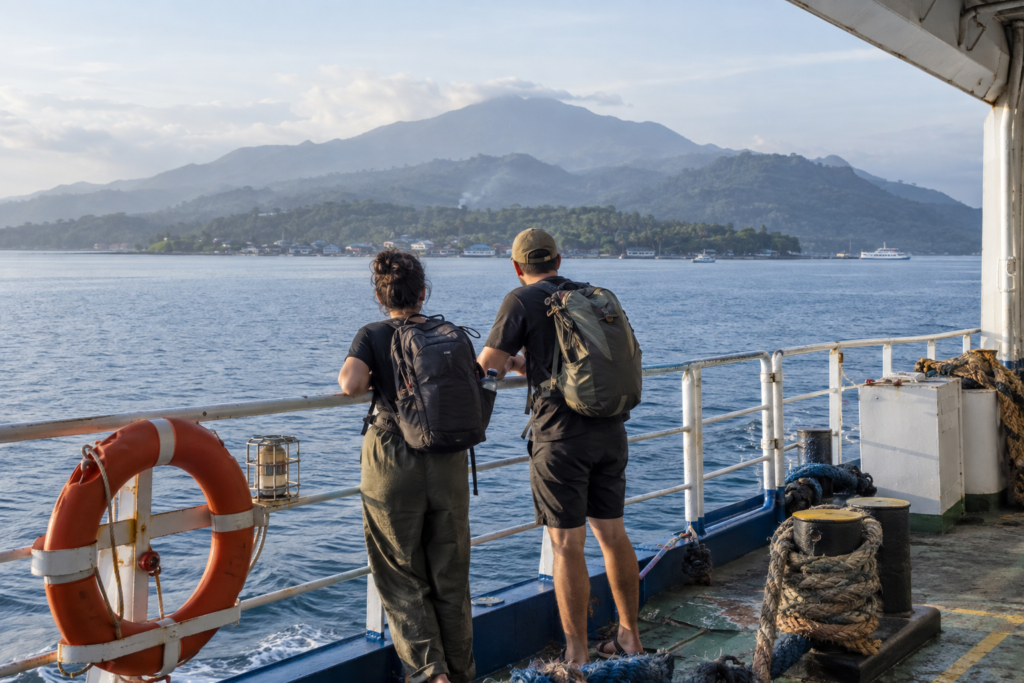
Think of Indonesia as several different journeys that happen to exist within one country.
You do not need to see everything during your first visit.
Bali Is Only One Part of Indonesia
For many international travelers, Bali is their introduction to Indonesia.
It is an easy place to understand why. The island combines temples, beaches, rice terraces, accommodation, restaurants, wellness experiences, and a well-developed tourism infrastructure.
But Indonesia changes dramatically once you travel beyond Bali.
Java offers historic cities, temples, volcanoes, waterfalls, and overland journeys.
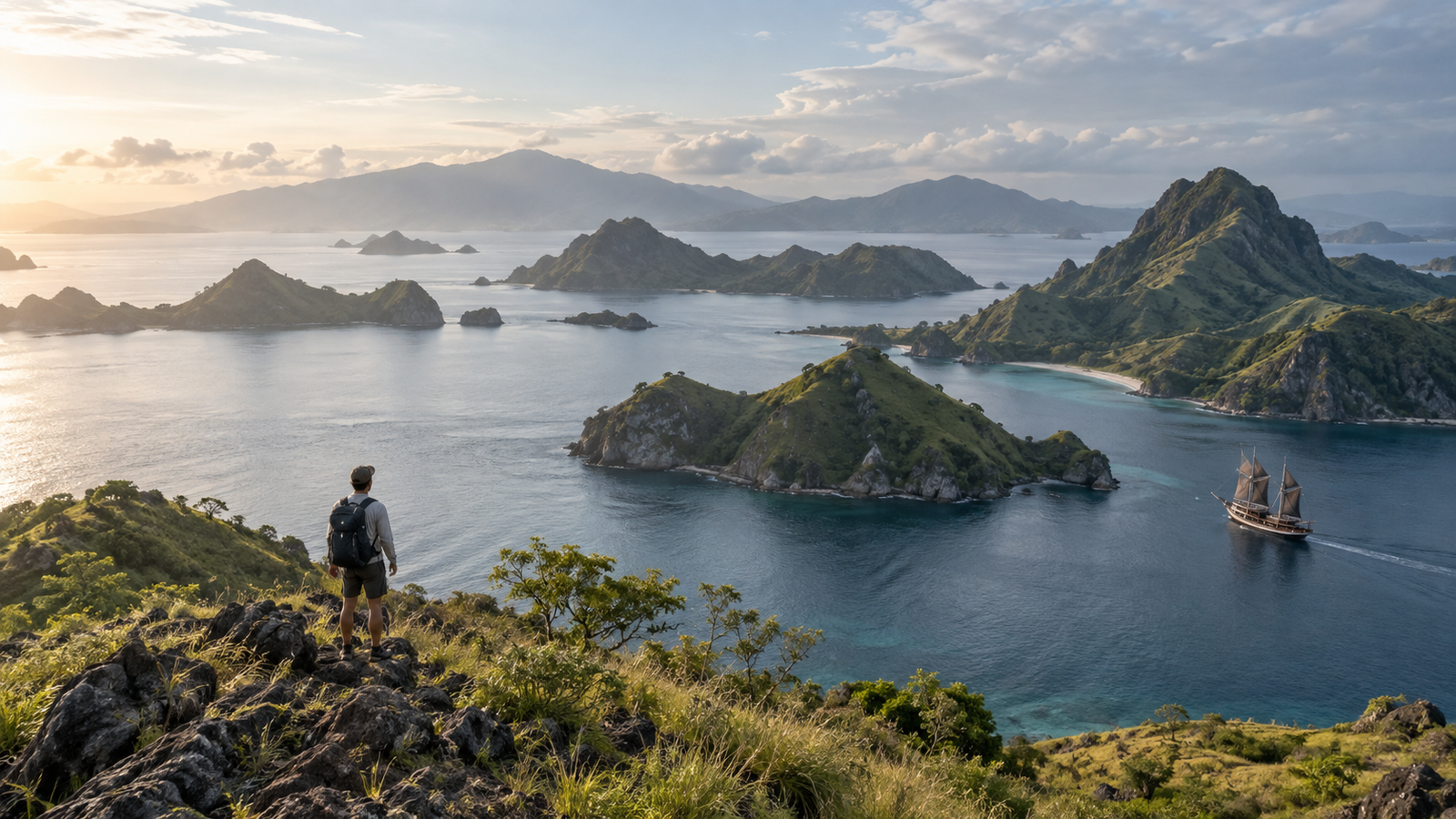
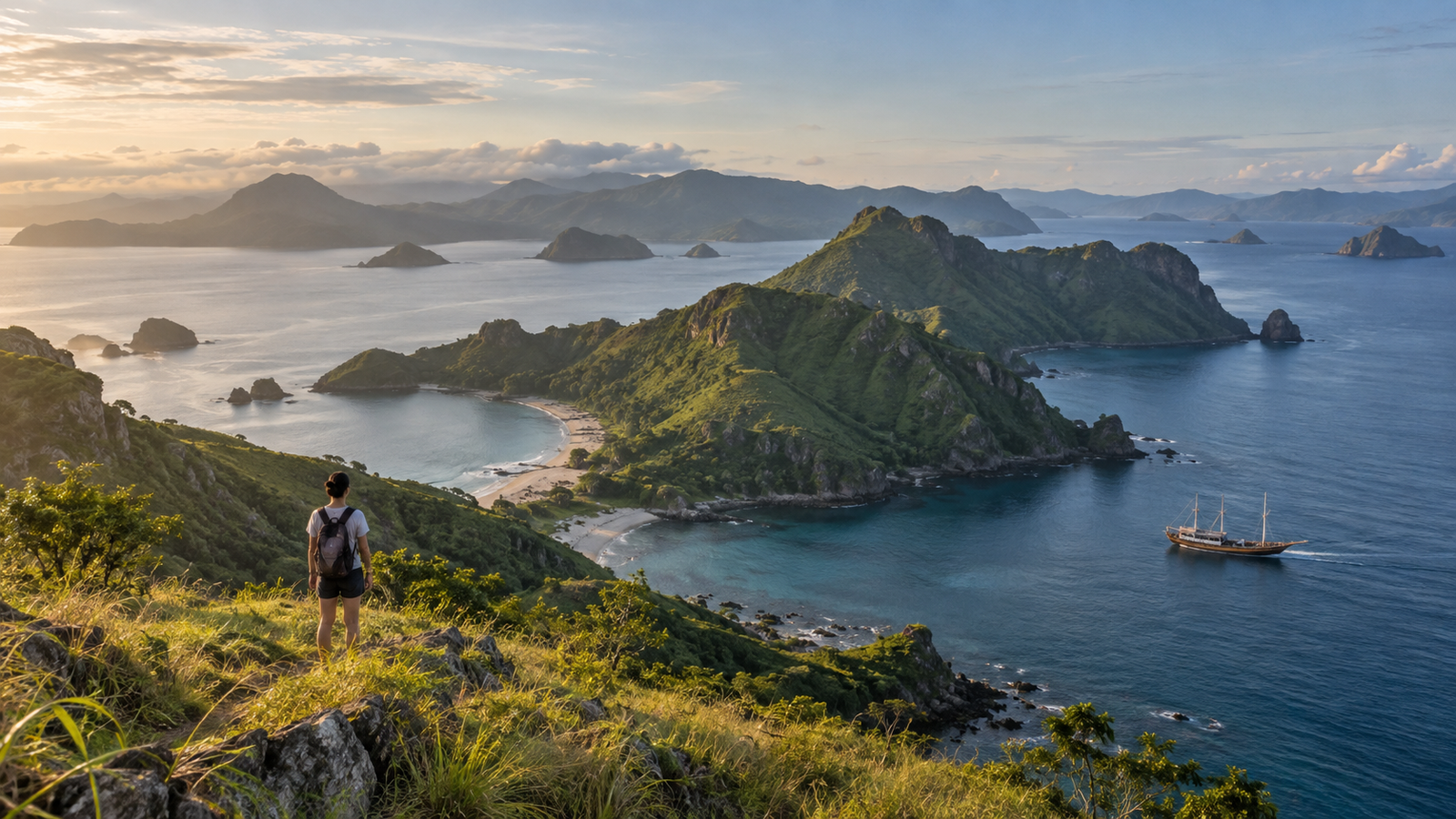
Flores and Komodo bring rugged islands, snorkeling, wildlife, and multi-day sailing.
Lombok combines tropical coastlines with Mount Rinjani and Sasak culture.
Borneo offers rainforest rivers and orangutan experiences.
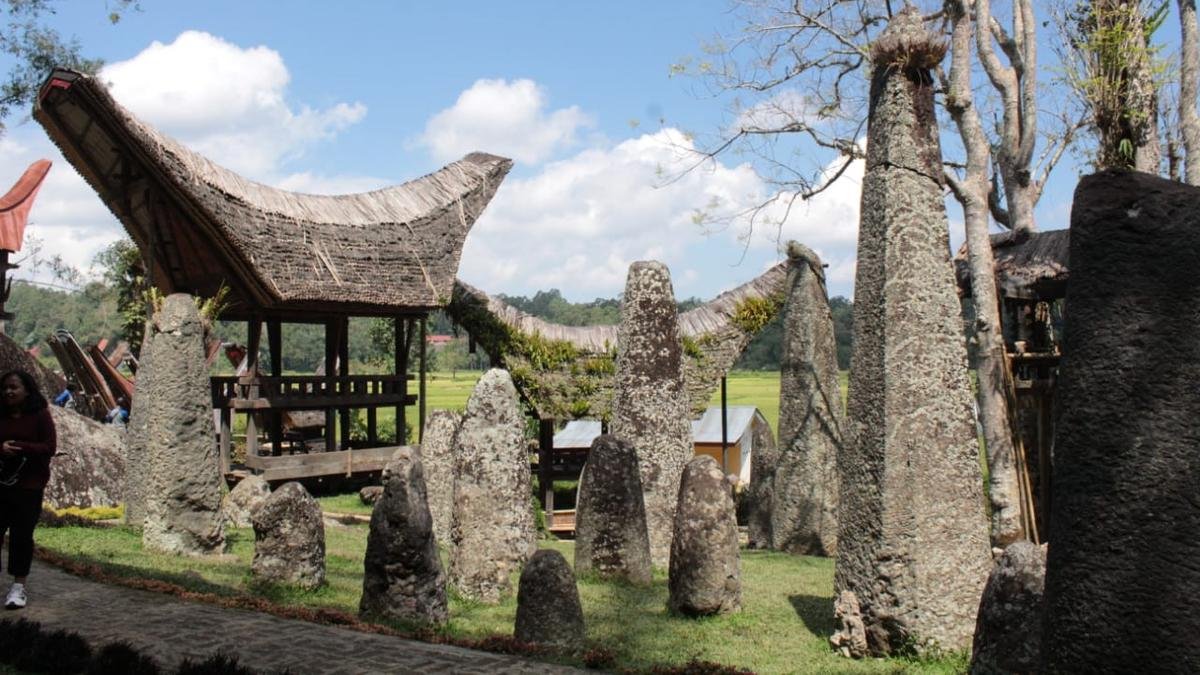
Sulawesi adds highland cultures, islands, wildlife, and rich marine environments.
Travel With Dee currently operates trips across Java, Bali, Flores, Lombok, Sulawesi, and Borneo, which reflects how different an Indonesia itinerary can become depending on the region you choose.
If Bali is part of your first journey, consider whether you want it to be the entire trip or simply one part of it.
Understand the Weather, But Expect Variation
Indonesia has a tropical climate, so the seasons work differently from countries with spring, summer, autumn, and winter.
Season timing varies across Indonesia and from year to year. In parts of Java and Bali, drier conditions often fall roughly between April and October, but that is not a guarantee for every destination or date. Check the latest area-specific BMKG seasonal forecast before you travel.
That does not mean the rainy season makes travel impossible.
Tropical rain can arrive heavily and disappear again later in the day. Some destinations also look especially green during wetter periods.
More importantly, Indonesia contains very different environments.
A coastal afternoon can feel hot and humid while a mountain viewpoint before sunrise can be surprisingly cold.
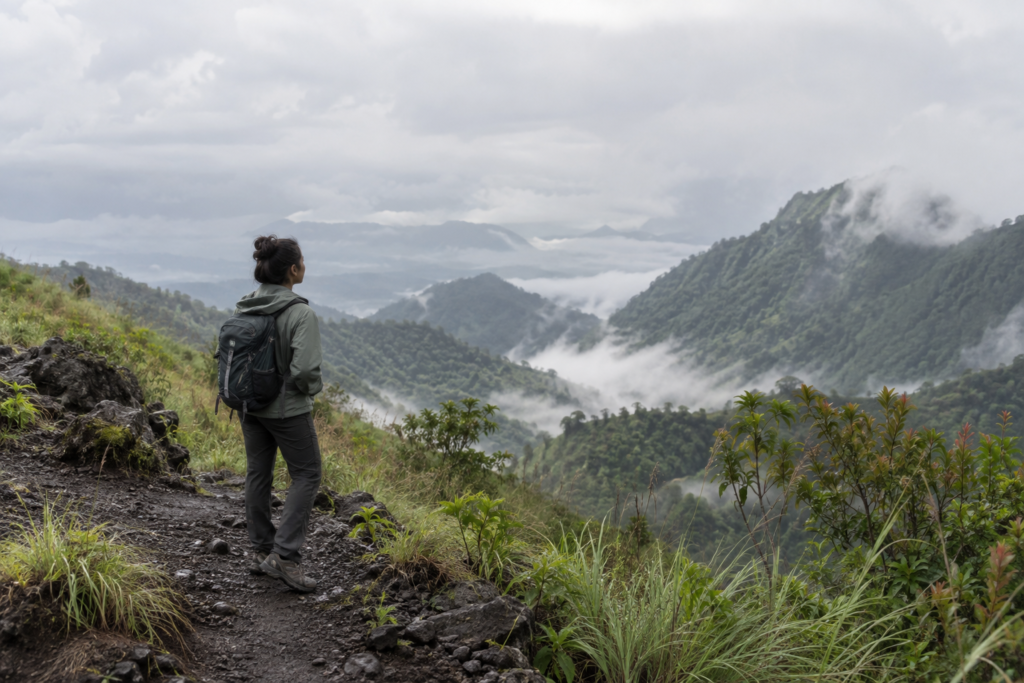
Pack for the activities on your itinerary rather than assuming every day will feel like a tropical beach holiday.
Getting Around Is Part of the Trip
Transportation in Indonesia can become an experience in itself.
Depending on your route, you might travel by domestic flight, train, ferry, speedboat, private vehicle, traditional boat, or a combination of several.
Java has a useful rail network for connecting several major cities, but destinations such as waterfalls and volcanoes often still require road transportation.
Moving between islands may involve domestic flights or ferries.
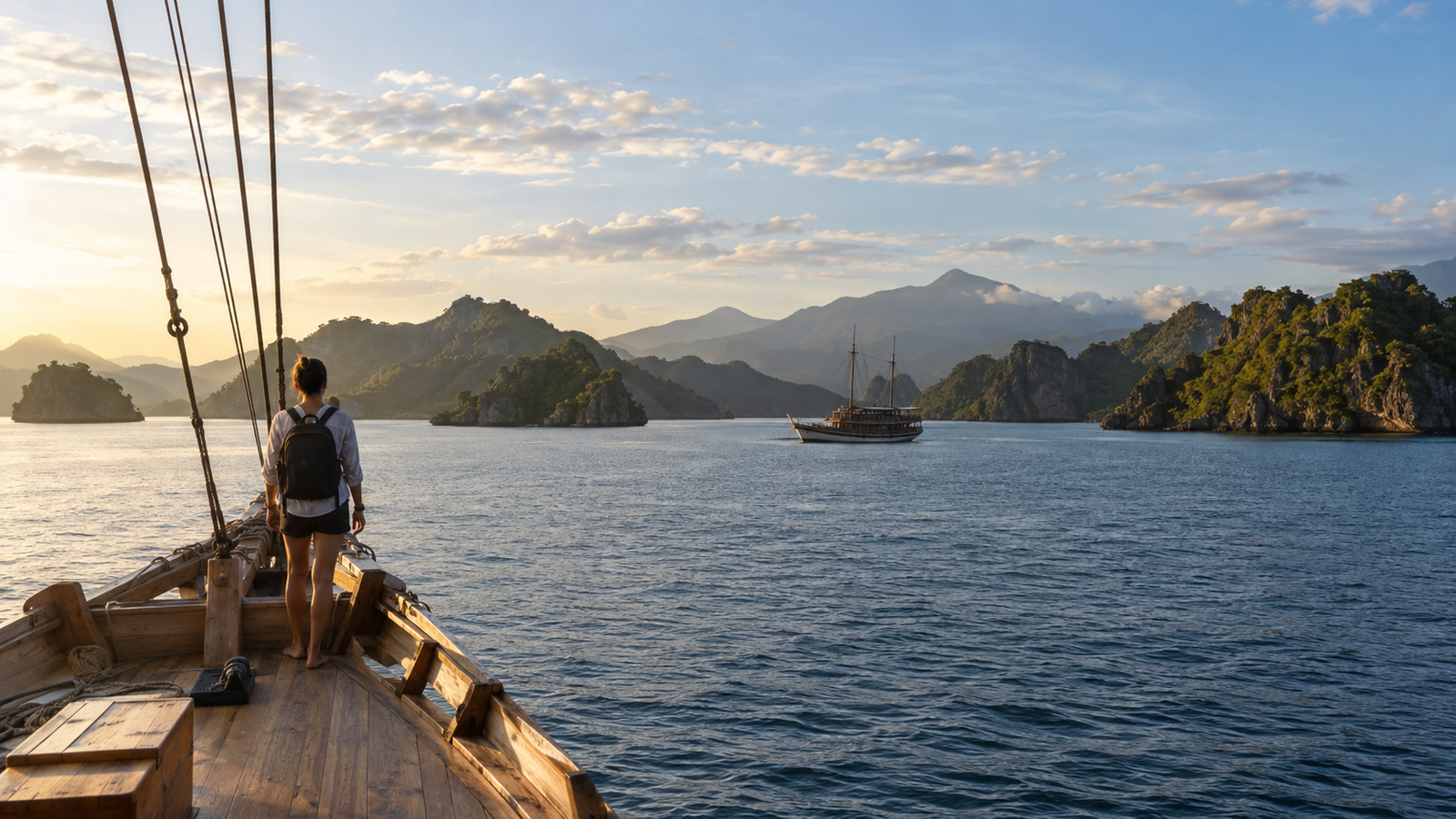
In Komodo, the boat is not simply transportation. It can become your accommodation and your main way of exploring the national park.
In Tanjung Puting National Park in Borneo, travelers can spend several days aboard a traditional klotok while moving through rainforest waterways.
Travel With Dee’s current trips show how varied these connections can become, from overland journeys across Java to liveaboard routes between Lombok and Labuan Bajo and klotok journeys in Borneo.
Try not to think of every transfer as wasted time.
Sometimes the journey between two places is one of the most interesting parts of traveling through Indonesia.
Do Not Make Your Itinerary Too Tight
It can be tempting to fill every day with activities, especially when visiting Indonesia for the first time.
But a packed itinerary can become exhausting very quickly.
Many popular experiences start early.
A volcano sunrise may require leaving your accommodation in the middle of the night. Some hikes begin before dawn. Boat trips can occupy most of the day, and long road transfers can take more time than expected.
Give yourself room between demanding activities.
After an early volcano hike, a slower afternoon can be valuable.
After several days traveling overland, spending an extra night somewhere may feel much better than immediately moving to another island.
A good Indonesia trip should feel like a journey, not a checklist.
Pack for More Than the Beach
Indonesia is tropical, but shorts, sandals, and swimwear will not cover every situation.
Lightweight and breathable clothes are useful for most days.
If your itinerary includes volcanoes or highland areas, bring a warmer layer for early mornings and higher elevations.
Comfortable walking shoes are important for waterfalls, trekking, temples, and longer days outside.
A light rain jacket can be useful even outside the wettest months.
For boat trips, consider sun protection and a small dry bag.
For rainforest destinations, insect protection and lightweight long clothing can be useful.
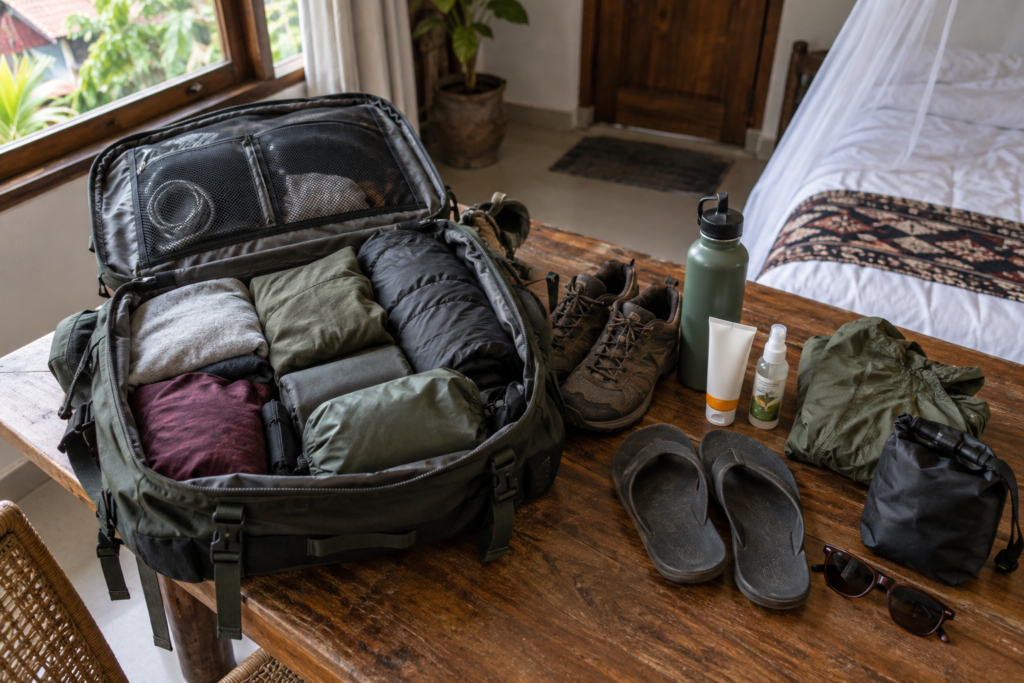
It is also worth leaving some space in your luggage.
Moving between islands becomes much easier when you are not constantly carrying more than you need.
Respect Local Customs
Indonesia is extremely diverse, and local customs can change significantly between regions.
What feels normal in one destination may be inappropriate somewhere else.
When visiting temples, religious sites, villages, or more conservative communities, dress respectfully and follow instructions from local guides or staff.
Ask before photographing people, particularly during ceremonies or in smaller communities.
In many places, travelers are entering environments that are part of everyday local life rather than attractions created specifically for tourism.
A little awareness goes a long way.
You do not need to understand every local tradition before arriving, but being observant, patient, and respectful will make interactions much easier.
Learn a Few Indonesian Words
English is widely used in many established tourism areas, but knowing a few Indonesian words can still make traveling easier and more enjoyable.
Even simple greetings can change an interaction.
"Terima kasih" means thank you.
"Selamat pagi" means good morning.
"Tolong" means please or help, depending on context.
"Permisi" is useful when saying excuse me or when passing someone.
You do not need to speak Indonesian fluently.
Making a small effort is usually enough to make everyday interactions feel more personal.
Carry More Than One Way to Pay
Cards and digital payments are increasingly common in major cities and tourism areas, but cash is still useful throughout Indonesia.
Smaller restaurants, markets, local shops, remote areas, drivers, parking areas, and small businesses may prefer or require cash.
Do not rely on a single card for your entire trip.
Having a backup payment method is useful, particularly when traveling outside major tourism centers.
It is also better to withdraw or exchange money before heading somewhere remote rather than assuming an ATM will always be nearby.
Food Is Part of the Experience
Indonesian food changes significantly between regions.
A meal in Java can be very different from what you find in Bali, Lombok, Sulawesi, or another island.
Do not limit yourself to restaurants designed specifically for international visitors.
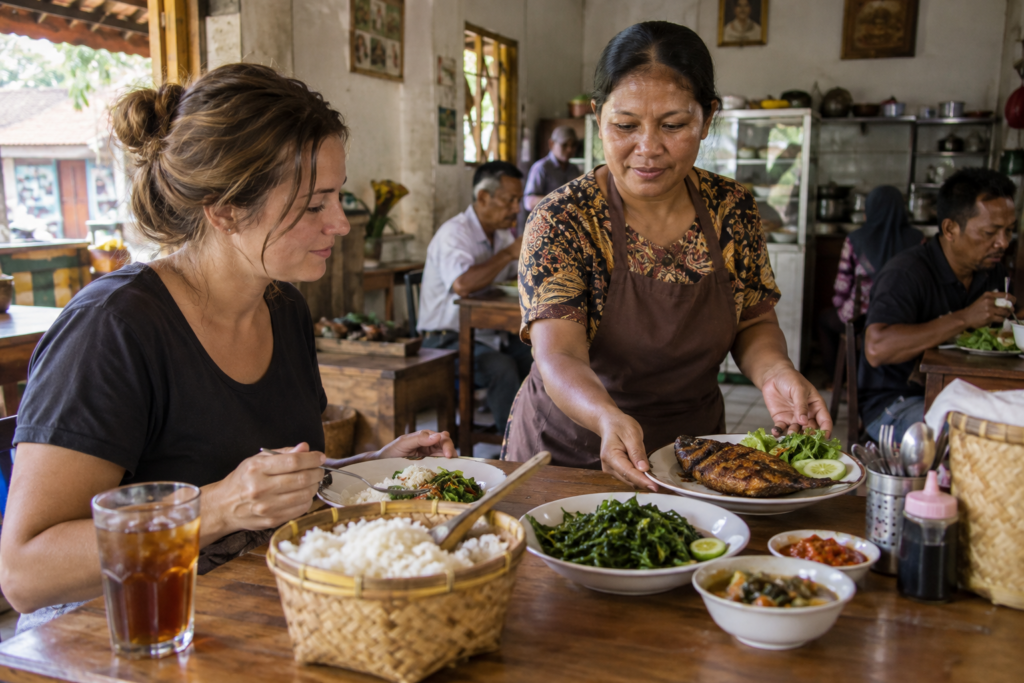
Local restaurants and small warungs can be an important part of experiencing the country.
If you are unsure about spice levels, ask before ordering.
If you have dietary restrictions or allergies, learning how to explain them clearly can make meals much easier.
Food is one of the simplest ways to understand how much Indonesia changes from region to region.
Nature Does Not Follow a Perfect Schedule
Many of Indonesia’s most memorable activities depend on natural conditions.
Sunrise might be hidden behind clouds.
Sea conditions can affect boat journeys.
Heavy rain can make trails more difficult.
Wildlife sightings are never guaranteed.
Volcanic or national park conditions can also affect access.
This is normal when your itinerary involves real natural environments.
Build enough flexibility into your trip that one change does not ruin everything that follows.
Local guides and operators can also be valuable because they understand current conditions and can help adjust plans when necessary.
Expect Early Mornings
If your trip includes Indonesia’s natural attractions, there is a good chance you will become familiar with very early alarms.
Bromo sunrise trips often begin long before daylight.
Ijen hikes start during the night when conditions allow visitors to experience the crater before sunrise.
Boat departures, trekking days, and wildlife experiences may also begin early.
Do not schedule every night around staying out late.
Sometimes the best preparation for an Indonesia adventure is simply getting enough sleep.
Give Yourself Time to Slow Down
One of the best pieces of advice for a first trip to Indonesia is also one of the simplest.
Slow down.
Spend an afternoon doing nothing after a long hike.
Sit on the deck during a boat journey instead of constantly looking for another activity.
Walk through a neighborhood without trying to reach another attraction.
Stay an extra night somewhere you enjoy.
Indonesia rewards curiosity, but it also rewards patience.
Some of the moments you remember most may not appear anywhere on your original itinerary.
Local Planning Can Make a Big Difference
The more regions you include, the more complicated an Indonesia trip can become.
Accommodation, private transportation, domestic flights, ferry schedules, train tickets, guides, boats, and activity times all need to work together.
This becomes particularly important when the itinerary includes several islands.
Travel With Dee focuses on customized and small-group journeys around Indonesia. Its current services include personalized itineraries as well as arrangements for accommodation, private transportation, domestic flights, ferries, trains, and experienced local guides.
For a first visit, having those connections arranged properly can leave much more time to enjoy the actual journey.
Your First Indonesia Trip Does Not Have to Include Everything
Indonesia is too large and too diverse to understand in one visit.
That is part of its appeal.
Your first journey might introduce you to Java and Bali.
Another trip could take you sailing through Komodo.
You might return for Lombok and Rinjani, travel into Borneo for wildlife, or explore the highlands and marine environments of Sulawesi.
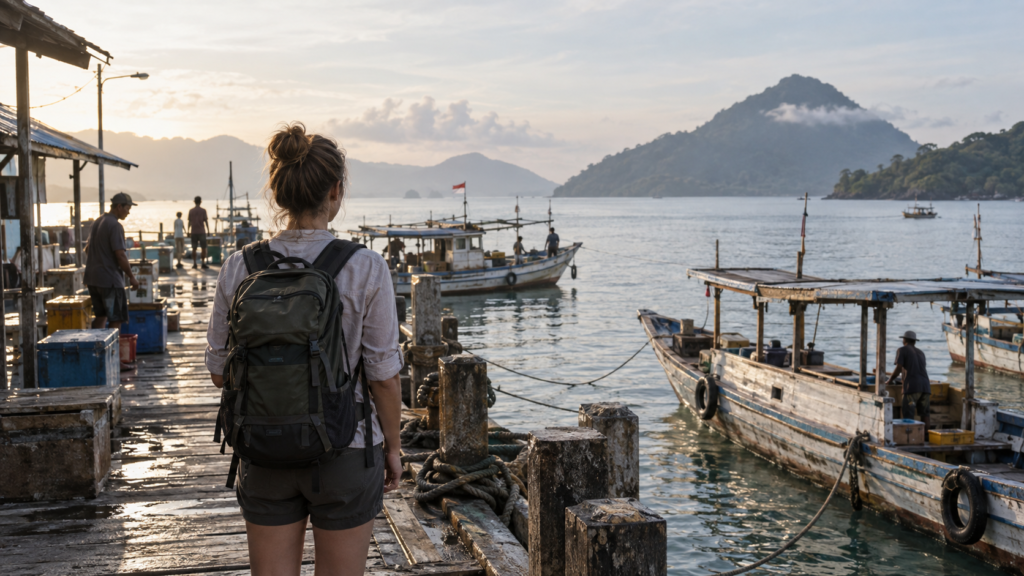
Trying to see everything at once often means experiencing less of each place.
Choose the regions that genuinely interest you, give them enough time, and allow yourself to leave something for another journey.
Start Your First Indonesia Journey With Travel With Dee
A first trip to Indonesia should feel exciting, not complicated.
Travel With Dee creates personalized trips across Java, Bali, Flores, Lombok, Sulawesi, and Borneo, with routes designed around your interests, available time, and preferred travel pace.
Whether your first Indonesia experience involves temples, volcanoes, waterfalls, wildlife, island sailing, beaches, or a mixture of everything, a well-planned route can make the journey much easier.
Explore available trips at travel-withdee.com or contact Travel With Dee on WhatsApp to start planning your first Indonesia adventure.