



Information reviewed: 24 October 2026. Fire conditions, air quality and visitor access can change. Check current official updates before traveling.
A rainforest river cruise or a sunrise over Bromo begins with something easy to overlook: a landscape healthy enough to visit, and communities able to welcome travelers safely.
Indonesia's forest and land fires in 2026 have brought that connection into focus. Known locally as karhutla, these fires can damage wildlife habitat, expose communities to smoke and disrupt access to natural attractions.
For travelers, understanding the issue means looking beyond a destination's photographs. It means checking local conditions, respecting temporary restrictions and recognizing that conservation is part of what makes an experience possible.
This guide explains the environmental concerns, the relevance to travel in Kalimantan and East Java, and the practical steps visitors can take.
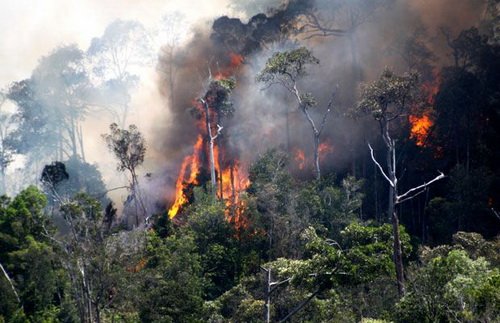
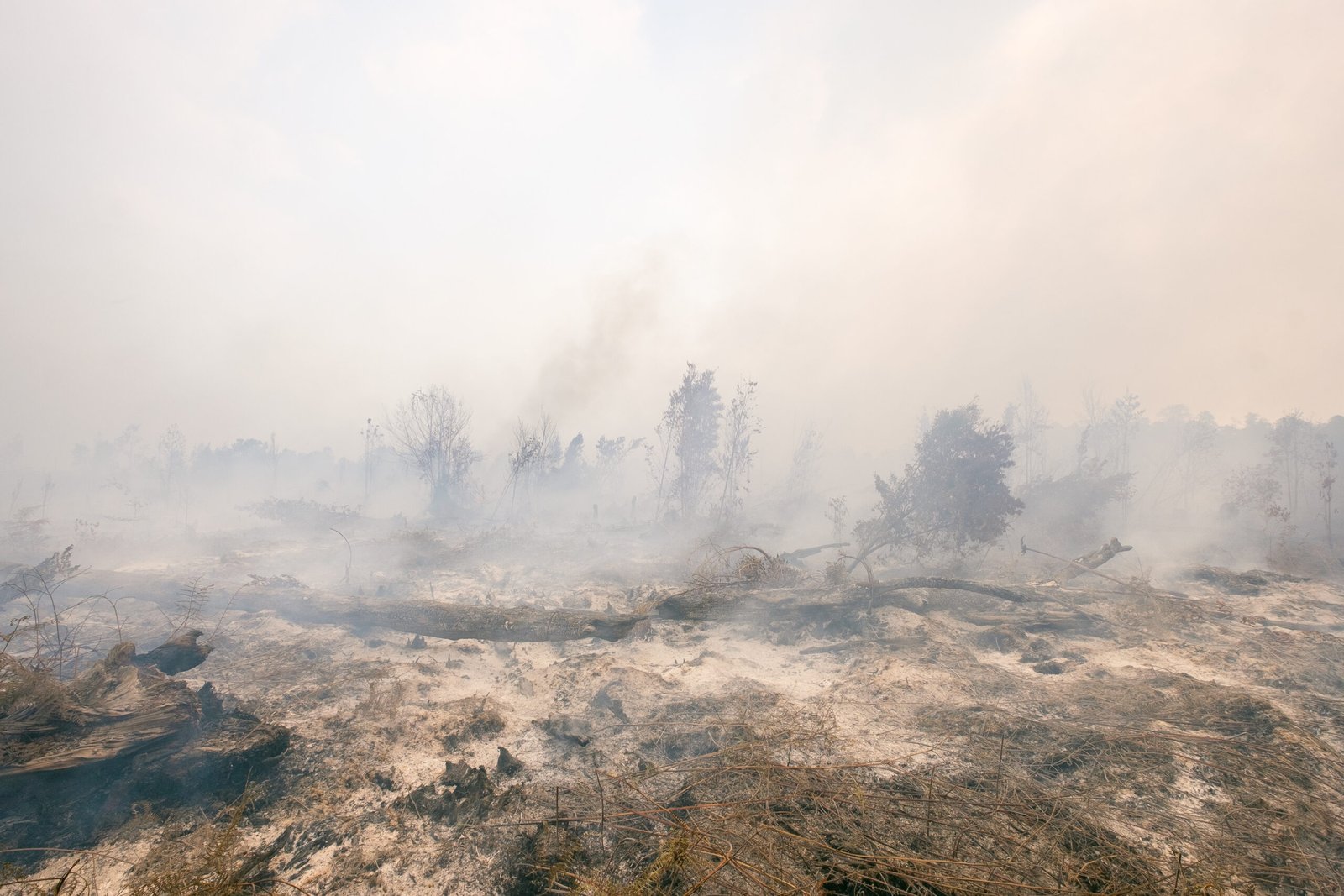
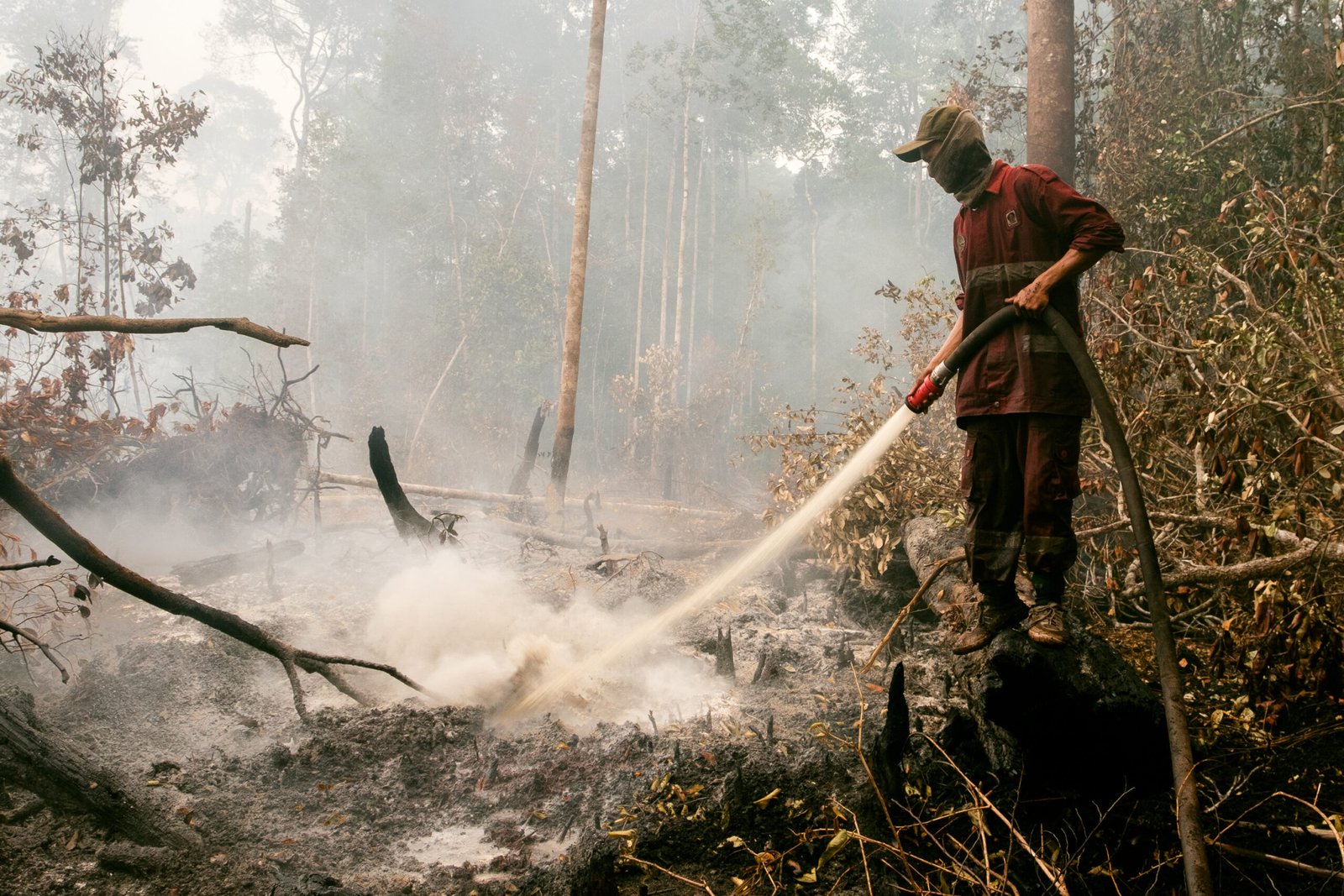
Archive photographs: The main image shows a forest fire in Ambon in January 2016 (credit: PUSDATIN Kementerian Dalam Negeri, via Wikimedia Commons). The photographs below document peatland fires in Sebangau National Park in September 2019. They provide historical context and do not depict the 2026 incidents discussed in this article.

Why Forest and Land Fires Have Raised Concern in 2026
On 7 September 2026, Indonesia's Meteorology, Climatology and Geophysics Agency, BMKG, identified September as a critical period for fire vigilance, citing persistent dry conditions, El Niño and elevated hotspot activity. This was a dated warning, rather than a description of conditions at every destination today. [1]
Dry weather makes vegetation and exposed peat more vulnerable to burning. But weather does not explain ignition by itself. Land-clearing practices, accidental fires and other human activities can provide the spark, while dry conditions help a fire spread. [2]
Peatlands present a particular challenge. Naturally wet peat can become highly combustible when drainage and drought reduce its moisture. Fires may then smolder underground, making them difficult to locate and extinguish. A landscape without visible flames is not necessarily free of danger. [2]
Prevention therefore involves both reducing ignition sources and protecting the conditions that keep vulnerable landscapes resilient.
What Fires Mean for Orangutans and Their Habitat
For wildlife, fire can mean losing the trees that provide food, shelter and routes through the forest. Smoke can also affect animals beyond the burn area.
In an update dated 6 September 2026, the Borneo Orangutan Survival Foundation reported that approximately 49.5 hectares of the Mawas Conservation Area in Central Kalimantan had been affected by fire. Its rehabilitation centers and release sites remained safe from direct fire impacts at that time. [3]
Those statements describe different locations and should be read together. The report documents damage in Mawas; it does not mean every orangutan habitat in Kalimantan was burning, or that every visitor destination was closed.
It also should not be treated as evidence that Tanjung Puting National Park was affected by that same incident. Travelers planning an orangutan trip need information specific to their route and departure date.
The wider lesson is clear: protecting wildlife requires protecting habitat before an emergency, as well as responding when fire occurs. Seeing an orangutan in a forest is meaningful because the surrounding ecosystem supports its life beyond that brief encounter.

Smoke Can Affect Communities and Travelers Far From a Fire
Smoke does not stop at the edge of a burned area. The World Health Organization explains that wildfire pollution can travel long distances and includes fine particles such as PM2.5. Exposure can irritate the eyes and airways and worsen respiratory or cardiovascular conditions. Children, older adults and people with existing health conditions can be especially vulnerable. [4]
For residents, this can disrupt daily routines and outdoor work. For visitors, it can change whether a hike, wildlife excursion or other outdoor activity is appropriate.
A destination being open does not, by itself, establish that air quality is suitable for everyone. Access rules and health guidance answer different questions.
During heavy smoke, follow local advisories, reduce outdoor activity and seek cleaner indoor air. WHO recommends limiting exposure and seeking medical attention when needed. [4]
Bromo Shows Why Local Access Updates Matter
Forest and land fires can also affect volcanic landscapes and dry grasslands, not only rainforests.
In East Java, authorities temporarily restricted access to the Penanjakan area of Bromo Tengger Semeru National Park following fires. According to an ANTARA report published on 22 October 2026, the park announced that access would reopen on 23 October 2026, after field monitoring found no remaining fire points in the affected area. [5]
The announcement concerned Penanjakan, rather than an unrestricted guarantee for every route or activity across the park. Visitors were reminded to avoid activities that could start fires and to follow staff instructions.
For anyone planning a Bromo trip, the practical lesson is to check the latest announcement for the actual entrance, viewpoint and activity on the itinerary. An earlier reopening notice cannot replace a current access check.
Planning an East Java visit? Explore Travel With Dee's tour packages and confirm route availability and local conditions before booking.
Should You Change Your Indonesia Travel Plans?
A fire report from one area is not enough to assess an entire country. Conditions differ by location and date, and a regional headline may not describe the route you intend to visit.
Before deciding whether to keep, adjust or postpone an activity, check:
- The exact location: Which park, district, trail or access road is affected?
- The update date: Is the information current, or an older report being shared again?
- Visitor access: Are there closures, restricted routes or changes to permitted activities?
- Air quality: What do official monitoring and local health advisories indicate?
- Local arrangements: What has your operator confirmed, and what happens if the itinerary must change?
BMKG provides fire-risk and smoke-monitoring information, while SiPongi+ provides hotspot and forest-fire information. [6][7] Use these alongside park announcements and local advice. A hotspot map should not be treated as a stand-alone visitor-access decision.
If conditions are unsuitable, choosing another activity or postponing a visit is a responsible response. Do not enter a closed area to preserve an itinerary or obtain a photograph.

How Visitors Can Help Prevent Fires
Travelers cannot solve Indonesia's land-management challenges on their own. They can, however, avoid adding preventable risks.
Respect fire restrictions. Do not light campfires, burn rubbish, use fireworks or introduce other ignition sources in prohibited areas. Never discard cigarette butts or matches in natural landscapes.
Follow designated routes. Respect barriers, temporary closures and instructions from guides and rangers. Restrictions protect visitors and allow staff to carry out monitoring and response work.
Report concerns from a safe location. Tell park staff or local authorities if you see unattended flames or signs of fire. Avoid approaching a suspected fire or obstructing response teams.
Choose operators willing to adapt. Ask how they monitor conditions, communicate changes and handle closures. Clear answers are more useful than promises that an excursion will run regardless of circumstances.
Treat wildlife encounters with care. Follow site rules, keep an appropriate distance and avoid feeding, touching or disturbing animals. A memorable encounter should not place additional pressure on wildlife.
Frequently Asked Questions
Do forest fires mean all of Indonesia is unsafe to visit?
No single fire report establishes conditions across Indonesia. Assess your specific destination using current access announcements, air-quality guidance and local information. Avoid broad assumptions in either direction.
Is Bromo open after the October 2026 fires?
The park announcement reported by ANTARA stated that access to Penanjakan would reopen on 23 October 2026. Confirm the latest rules for your route before departure, because access can change. [5]
Does the Mawas fire report mean Tanjung Puting is affected?
The cited BOS Foundation update concerns Mawas and its operational locations. It does not establish the condition of Tanjung Puting. Check updates specific to Tanjung Puting and your planned river route. [3]
What if my tour changes because of fire or smoke?
Follow official restrictions and discuss alternatives with your operator. Before booking, ask about itinerary changes, postponement and cancellation terms. Do not assume a refund or replacement is included unless the booking conditions confirm it.
Explore With Care, Leave Room for Nature
Indonesia's rainforests, wildlife habitats and volcanic landscapes are more than places to tick off a travel list. They are living environments and part of the everyday world of the communities who care for them.
The fires of 2026 are a reminder that enjoying these places comes with responsibilities: stay informed, prevent avoidable harm and accept that protecting a landscape sometimes means changing a plan.
At Travel With Dee, we encourage travelers to approach Indonesia's natural attractions with curiosity, care and respect for local guidance.
Planning your next journey? Browse Indonesia tour packages with Travel With Dee, then confirm the conditions and arrangements for your chosen destination before booking.
Sources and Further Reading
- BMKG: Dampak El Niño Masih Perlu Diwaspadai, BMKG Perkuat Dukungan Pengendalian Karhutla, 7 September 2026.
- Ministry of Environment / Environmental Control Agency: El Niño Tidak Membawa Korek Api, commentary published 21 September 2026.
- Borneo Orangutan Survival Foundation: Situation Update – Wildfires and BOSF Readiness, situation update dated 6 September 2026.
- World Health Organization: Wildfires.
- ANTARA: TNBTS buka seluruh akses wisata di area Penanjakan Gunung Bromo, 22 October 2026, reporting the park's reopening announcement.
- BMKG: Forest and Land Fire Warnings, ongoing monitoring information.
- SiPongi+: Indonesia Forest Fire Monitoring, ongoing monitoring information.