


Planning an adventure across Indonesia can feel exciting and slightly overwhelming at the same time.
The country stretches across thousands of islands, with volcanoes, rainforests, beaches, coral reefs, traditional villages, wildlife, and mountain landscapes spread across very different regions.
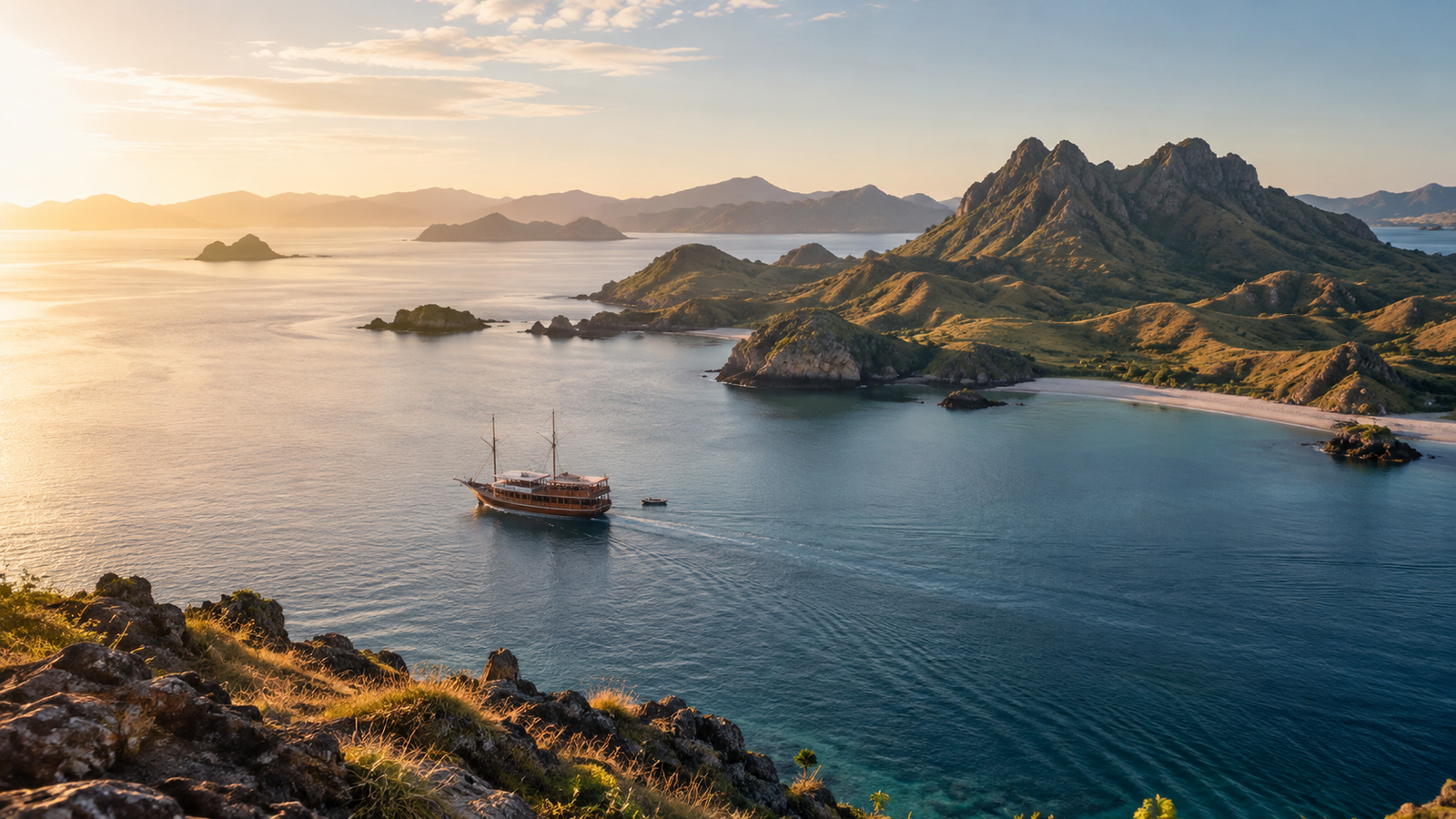
You might want to watch the sunrise from a volcano in Java, sail through Komodo National Park, trek Mount Rinjani, explore Bali, or travel deep into the rainforest of Borneo. The challenge is not finding interesting places to visit. The challenge is putting them together in a way that actually makes sense.
A good Indonesia itinerary is not about seeing as many destinations as possible. It is about choosing the right experiences, connecting them efficiently, and leaving enough time to actually enjoy each place.
Here is how to start planning an adventure trip across Indonesia.
Start With the Experience You Want
Before choosing destinations, think about what you actually want from the trip.
Indonesia offers very different kinds of adventure.
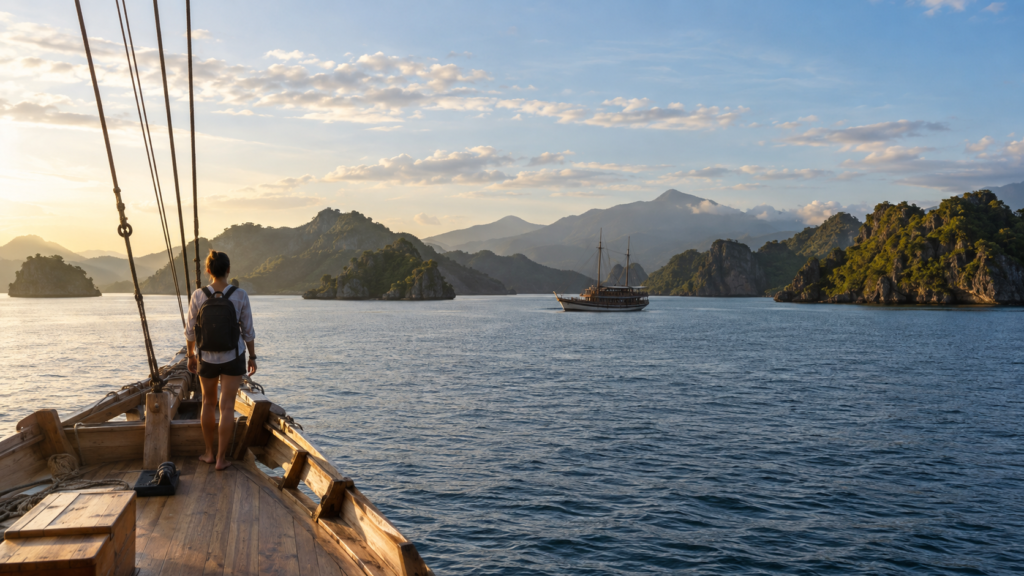
If mountains and volcanic landscapes interest you, Java and Lombok are natural places to start. If you prefer islands, snorkeling, and life at sea, Flores and Komodo may suit you better. Travelers interested in wildlife can look toward Borneo, while those who want to combine culture, nature, beaches, and easier travel connections may include Bali.
There is no reason every Indonesia trip needs to follow the same route.
Start by asking yourself what kind of days you want to have.
Do you want early morning hikes and physically active days? Would you rather spend several days sailing between islands? Are wildlife encounters more important than beaches? Do you want cultural experiences between outdoor adventures?
Once you know the kind of journey you want, choosing destinations becomes much easier.
Choose One Main Region First
One of the most common mistakes when planning Indonesia is trying to cover too much.
Looking at a map can be misleading. Two destinations may appear relatively close, but reaching them can involve a combination of road transfers, ferries, domestic flights, and waiting time.
Instead of immediately creating a long list of places, choose one main region first.
For example, an East Java adventure can already include waterfalls, volcanoes, villages, and several completely different landscapes. A Flores and Komodo journey can combine sailing, snorkeling, hiking, wildlife, and beaches without constantly changing hotels.
Once your main region is clear, you can decide whether adding another island improves the journey or simply makes it more rushed.
Build Your Route in a Logical Direction
A good itinerary should feel like a journey rather than a collection of disconnected destinations.
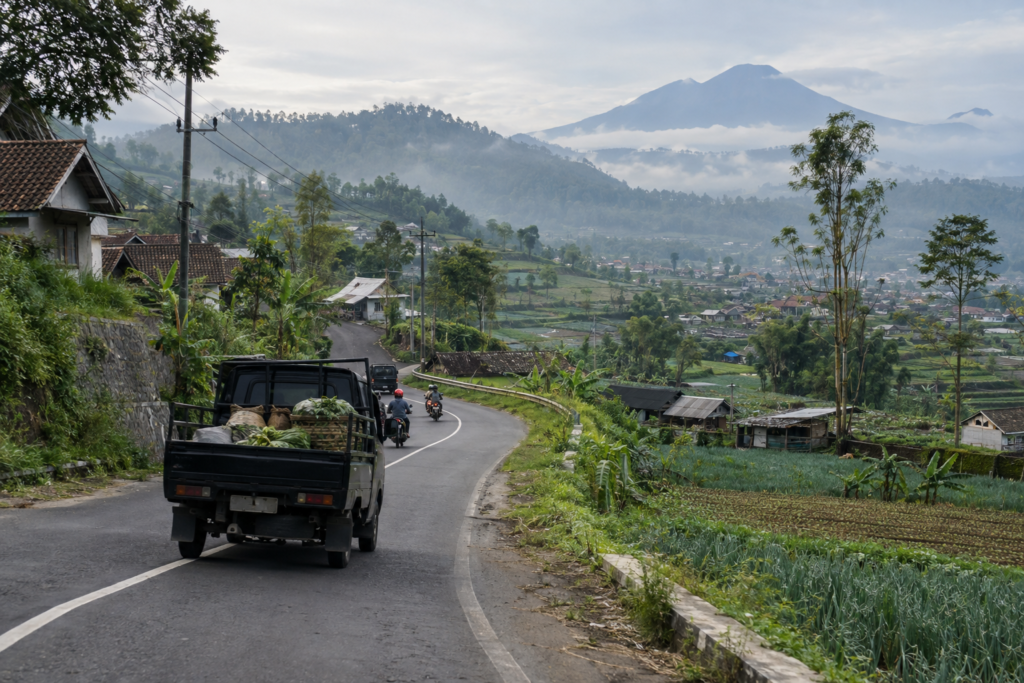
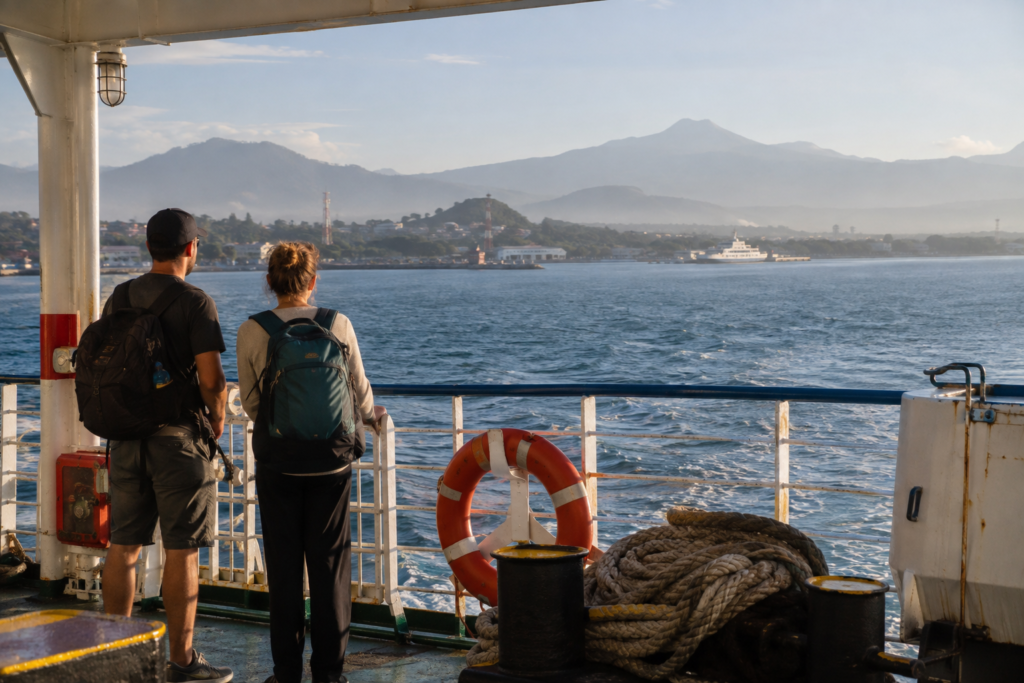
In Java, for example, travelers can move gradually east through the island instead of repeatedly returning to the same city. A route might begin around Yogyakarta, continue toward East Java, then move through Tumpak Sewu, Bromo, and Ijen before crossing by ferry toward Bali.
From Bali, the journey can continue farther east by flying to Labuan Bajo and exploring Komodo National Park.
This type of route reduces unnecessary backtracking and allows the landscape to change naturally as the trip progresses.
The same principle applies elsewhere.
If you are sailing between Lombok and Labuan Bajo, consider the direction that works best with your flights and the rest of your itinerary. If Borneo is part of a longer Indonesia trip, think about where Pangkalan Bun fits within your domestic flight connections before finalizing the rest of the schedule.
A logical route can save a surprising amount of travel time.
Be Realistic About Travel Time
Indonesia rewards travelers who do not rush.
Road journeys can take longer than expected, especially through mountains, smaller towns, or busy urban areas. Ferries operate on their own schedules, weather can affect boat journeys, and domestic flights sometimes require connections.
That means a transfer should not always be treated as empty space between two activities.
Sometimes the transfer is the day’s main event.
Trying to fit a major hike, a long road journey, and another activity into the same day can quickly turn an adventure into a race against the clock.
When planning your itinerary, give important experiences enough room.
If you are waking up in the middle of the night for a volcano hike, avoid planning another demanding activity immediately afterward. If a multi-day sailing journey finishes in the afternoon, consider spending the evening nearby rather than immediately trying to catch another connection.
A slightly slower itinerary usually creates a much better trip.
Balance Active Days With Slower Days
Adventure does not have to mean being exhausted every day.
Some of Indonesia’s best experiences involve physically demanding activities. Hiking volcanoes, descending toward waterfalls, trekking through forests, and walking mountain trails can all require energy.
Combine those days with slower experiences.
After several days exploring Java, Bali can provide time for easier sightseeing, cultural visits, local food, or a relaxed afternoon. After trekking in Lombok, a coastal stay can create a natural recovery period.
Sailing trips are another good way to change the pace.
A day in Komodo National Park might still include hiking and snorkeling, but traveling by boat creates longer periods of rest between activities.
The goal is to create contrast.
When every day is packed from sunrise until evening, individual experiences can start to blend together. A good itinerary gives memorable places enough space to feel memorable.
Think Carefully About Multi-Day Adventures
Some places are better experienced as journeys rather than day trips.
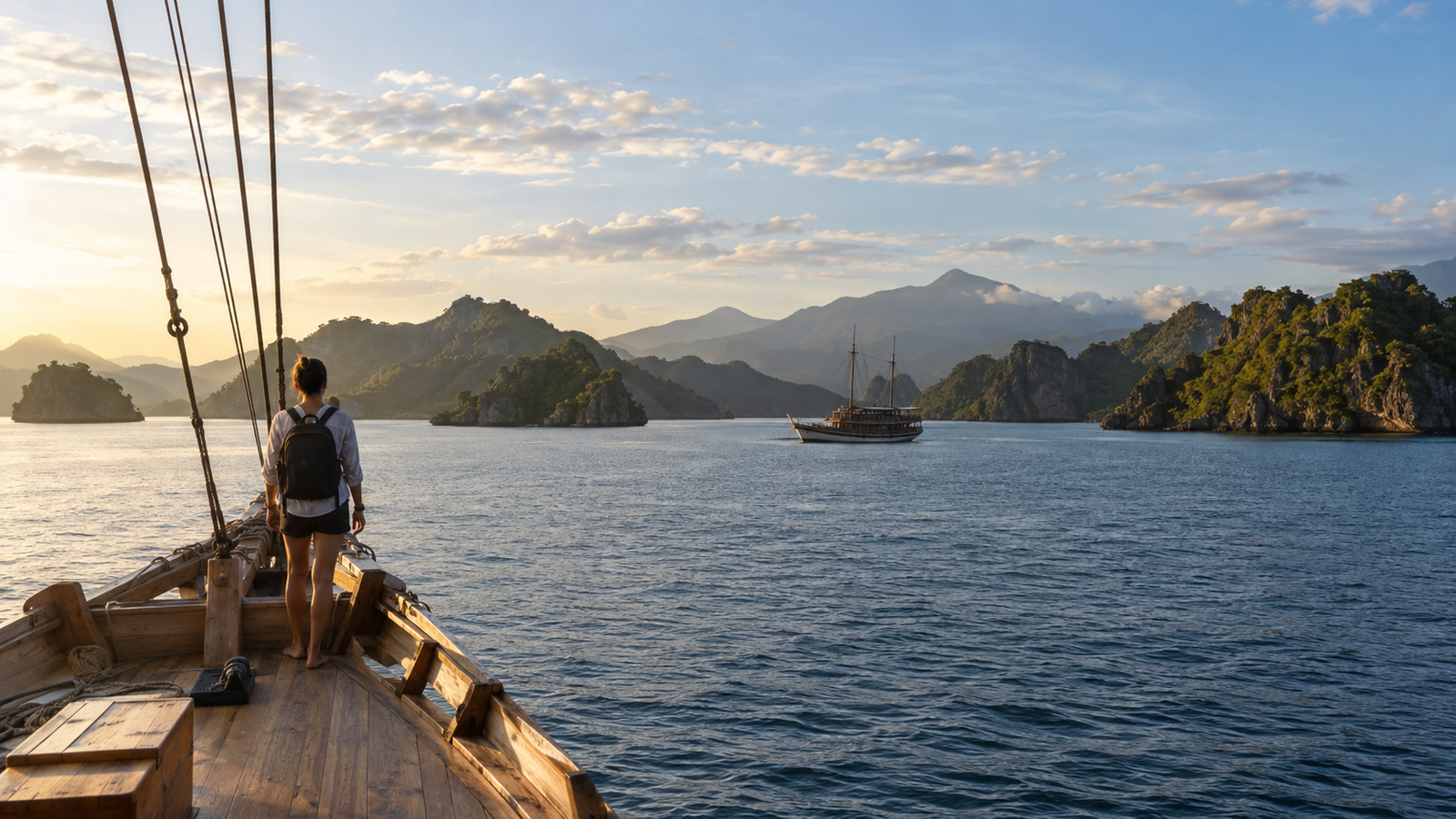
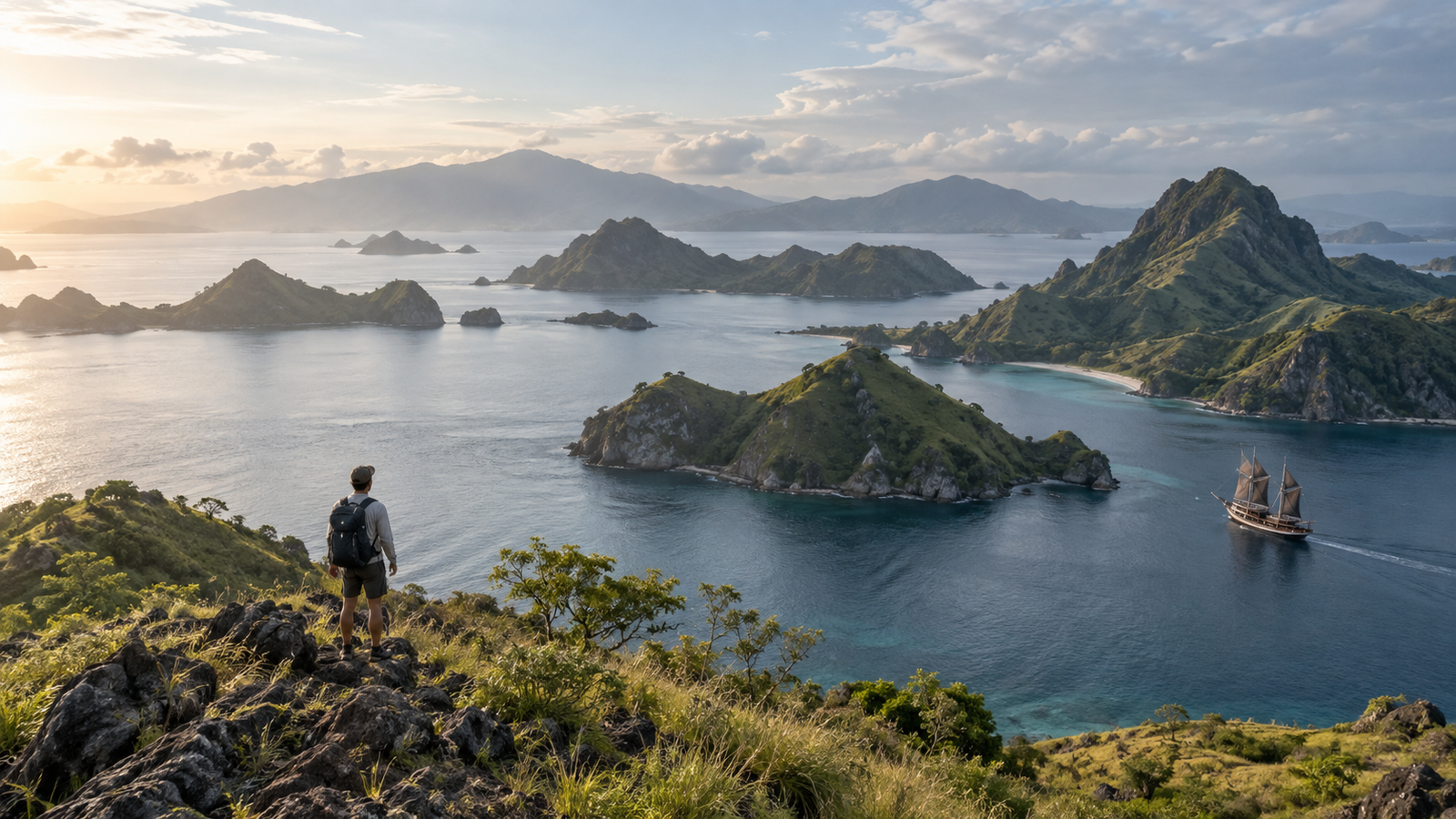
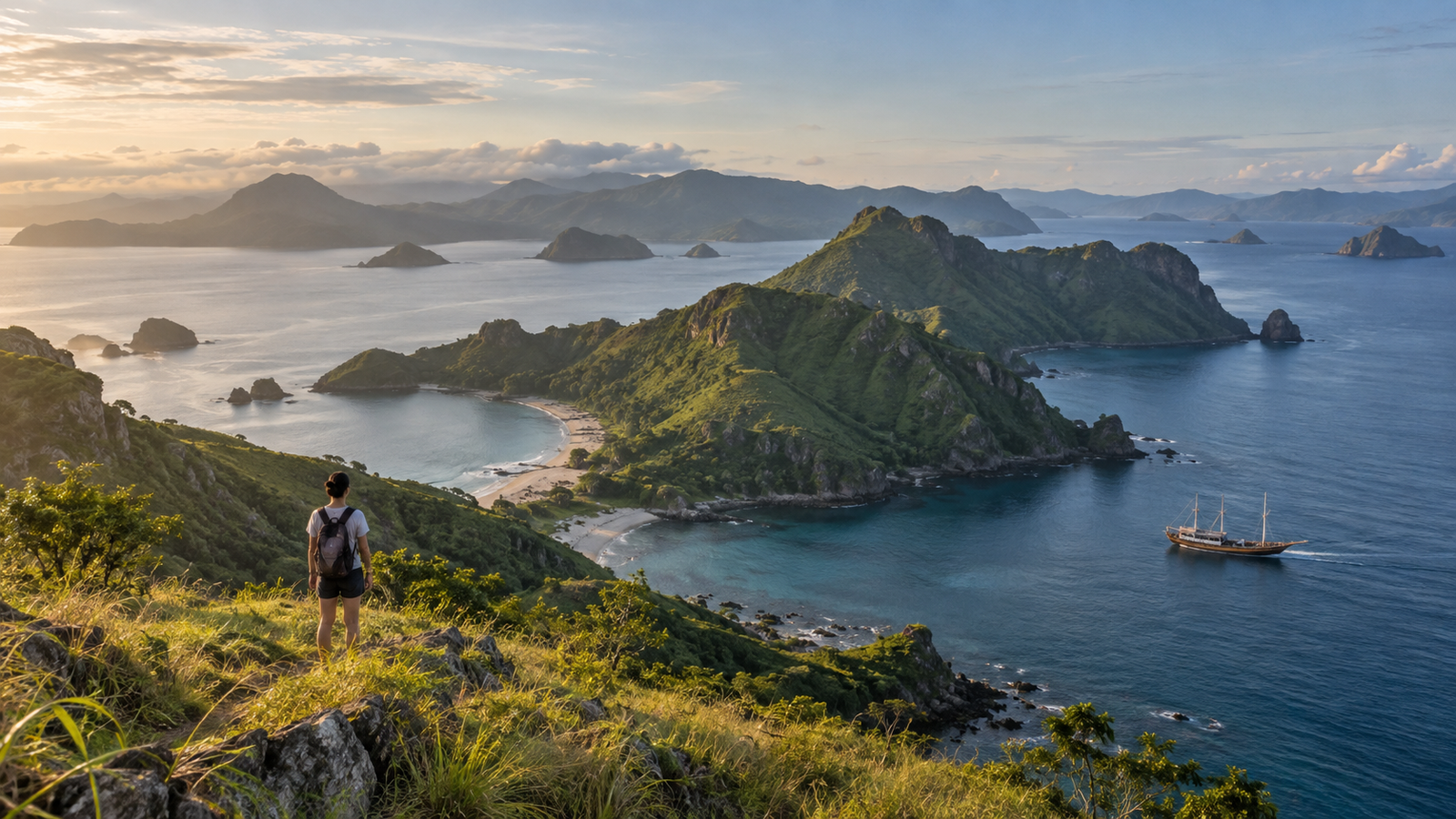
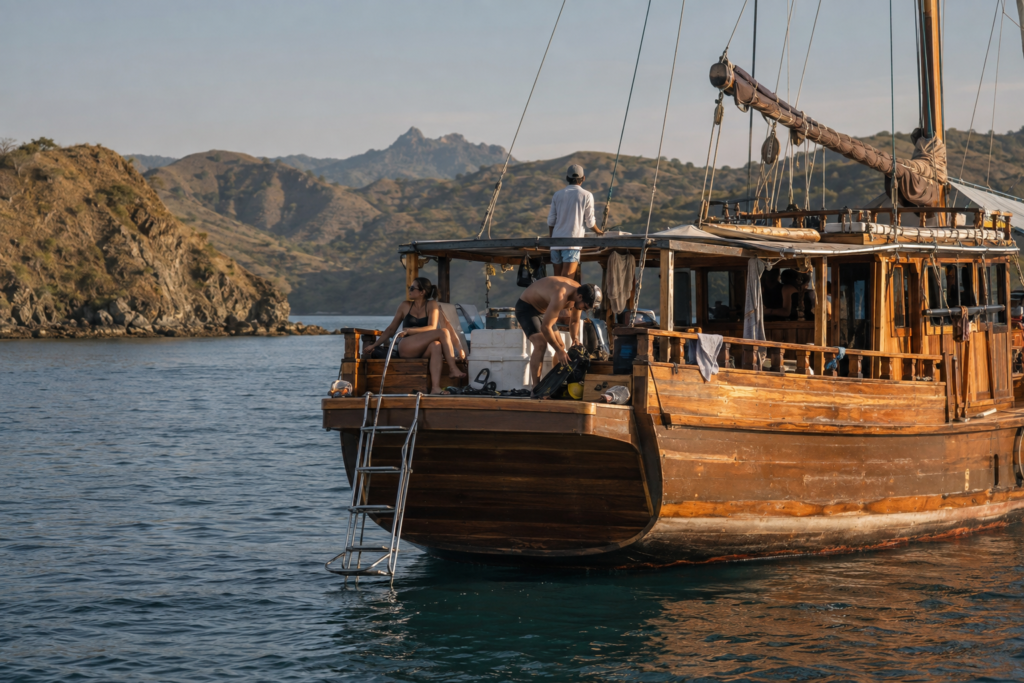
Komodo National Park is a good example. Travelers can explore the area by boat, moving between islands, viewpoints, beaches, snorkeling locations, and wildlife areas. Spending several days onboard changes the experience because the boat becomes part of the journey.
Borneo offers another completely different version of multi-day travel.
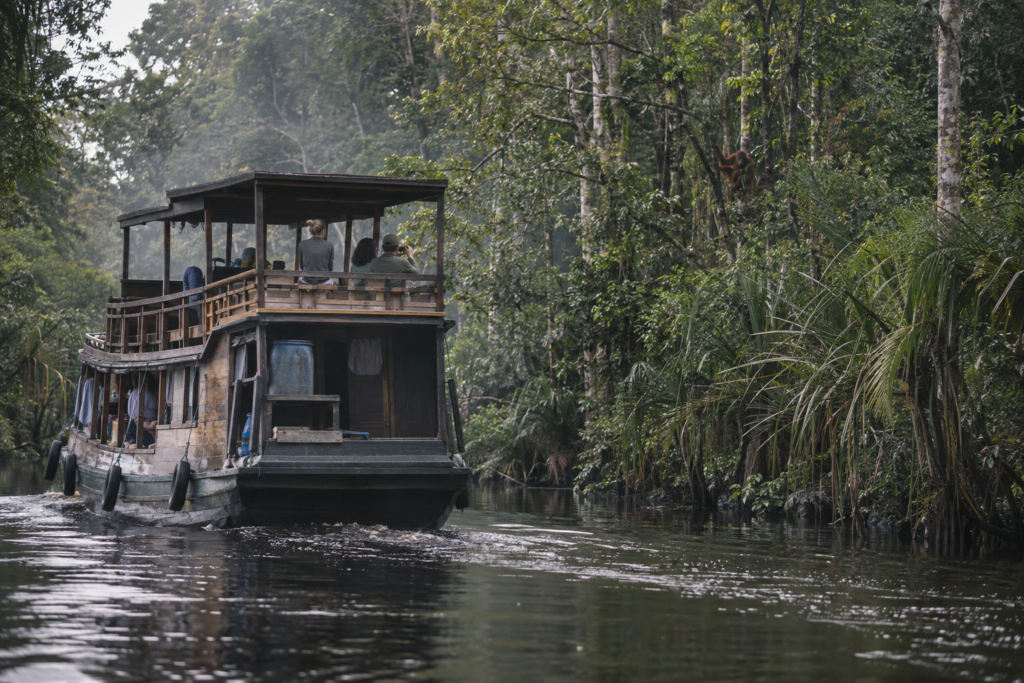
In Tanjung Puting National Park, travelers can cruise along rainforest waterways aboard a traditional wooden klotok. A typical journey can include orangutan feeding areas, rainforest exploration, river travel, and overnight stays aboard the boat.
Multi-day journeys reduce the feeling of constantly arriving and leaving.
Instead, you wake up already inside the landscape you came to explore.
Decide Between an Open Trip and a Custom Trip
How you travel can be just as important as where you go.
An open trip can be a good option for travelers who are comfortable following a scheduled itinerary and sharing the experience with other guests. It can also simplify the planning process because dates, routes, and major logistics are already structured.
A custom trip gives you more control.
You can adjust the pace, choose destinations around your interests, decide how much time to spend in each place, and build the route around your international flights.
This can be especially useful for longer journeys across several islands.
Travel With Dee offers both structured trips and personalized journeys, giving travelers different ways to explore Indonesia depending on their schedule and preferred travel style.
Neither option is automatically better.
The right choice depends on how much flexibility you want.
Check What Is Included Before You Book
Adventure trips often involve more than accommodation and transportation.
Depending on the destination, you may also need entrance tickets, local guides, boats, snorkeling equipment, meals, permits, transfers, or park fees.
Always check the inclusions before comparing prices.
A lower headline price does not always mean a cheaper final trip if essential costs are excluded.
For boat journeys, check the cabin arrangement, meals, drinking water, safety equipment, snorkeling gear, guide support, park fees, pickup points, and drop-off location.
For mountain trips, confirm transportation, accommodation, guide arrangements, entrance fees, and what equipment you are expected to bring yourself.
Clear information before departure makes the journey much easier once you arrive.
Leave Some Flexibility for Nature
Adventure travel depends on conditions you cannot control.
Mountains can be covered by clouds. Sea conditions can change. Wildlife may appear in a different place than expected. Heavy rain can affect trails. A sunrise may be spectacular one morning and hidden behind mist the next.
This uncertainty is part of traveling through natural environments.
Try not to build an itinerary where one delay ruins everything that follows.
Leaving some flexibility around important activities gives you more room to respond to weather, transport changes, and local conditions.
This is especially important when your journey includes boats, wildlife, trekking, or remote destinations.
Combine Different Sides of Indonesia
One reason longer trips work so well in Indonesia is the contrast between regions.
A journey through Java can be focused on volcanoes, waterfalls, cities, temples, and overland travel.
Bali adds temples, beaches, rice terraces, cultural experiences, and a slower island rhythm.
Flores and Komodo introduce sailing, marine life, rugged islands, and wildlife.
Lombok offers Mount Rinjani, beaches, rolling hills, and Sasak culture.
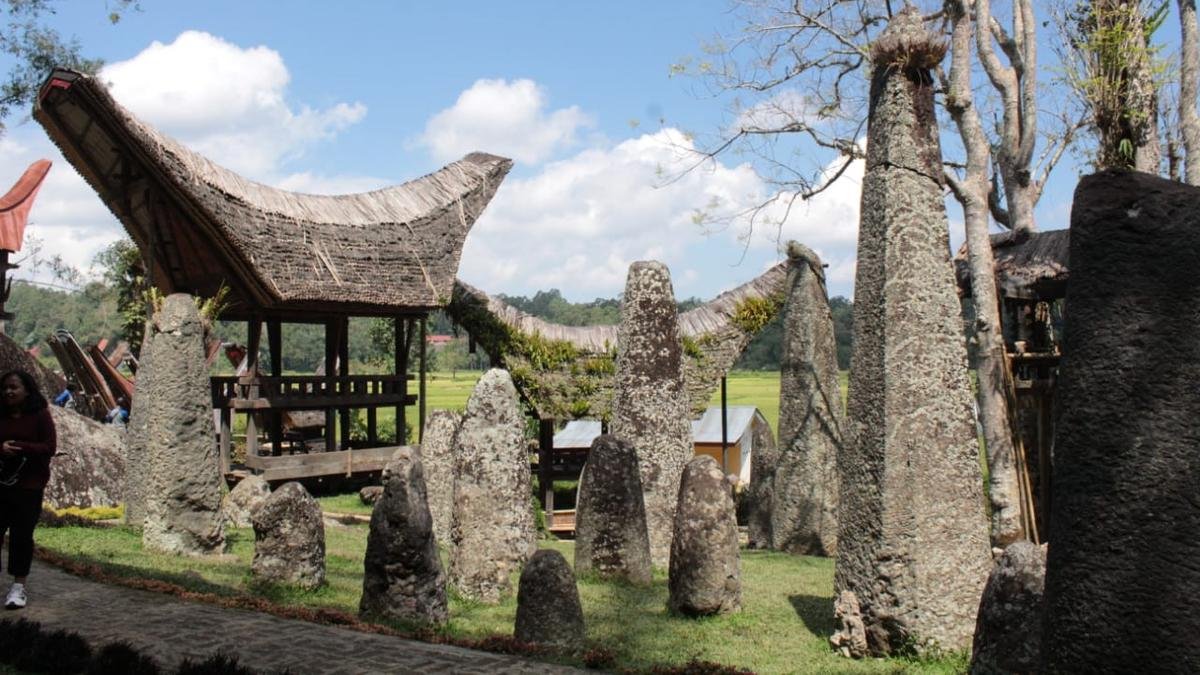
Sulawesi can bring together highland culture, wildlife, islands, and marine environments.
Borneo changes the scenery completely with rainforest rivers and orangutan habitats.
You do not need to experience all of them during one trip.
But combining two or three regions with very different characteristics can make a longer Indonesia itinerary feel much more varied.
How Long Should Your Indonesia Adventure Be?
The answer depends on how many regions you want to combine.
If you have around five to seven days, focusing on one region is usually the better choice. East Java, Komodo, Lombok, or a Borneo journey can each become a substantial trip on their own.
With around ten days, combining two nearby regions becomes more realistic. Java and Bali work naturally together, while Bali and Flores can also create a good balance between land-based travel and island exploration.
With two weeks or more, a multi-region journey becomes much more comfortable.
For example, a longer route can move from cultural experiences in Java through East Java’s volcanic landscapes, continue across Bali, and finish with several days sailing through Komodo National Park.
The important thing is not the number of destinations.
It is whether each destination has enough time to be enjoyed.
Pack for Different Environments
An adventure trip across Indonesia can take you through very different climates within the same journey.
Coastal areas can be hot and humid, while mountain destinations can feel surprisingly cold before sunrise. Boat trips involve strong sun and water exposure, while rainforest journeys may require better protection from insects and rain.
Lightweight clothing works well for most days, but bring layers for mountain mornings.
Comfortable walking shoes are important if your itinerary includes trekking or waterfalls. Sandals or easy footwear are useful for boats and casual days.
Sun protection, insect repellent, a reusable water bottle, a small dry bag, and rain protection are useful additions for many adventure routes.
Pack for the activities you are actually doing rather than packing only for tropical weather.
Do Not Plan Every Minute
Planning matters, but so does leaving room for the unexpected.
Indonesia is full of experiences that are difficult to schedule perfectly.
You may discover a local restaurant you want to stay longer at, stop at a viewpoint that was not part of the original plan, spend more time talking with a local guide, or simply need an afternoon to recover after several active days.
A good itinerary provides structure without making every hour feel mandatory.
The objective is not to complete Indonesia.
It is to experience it.
Make the Logistics Work for You
The more regions you add, the more complicated the logistics become.
Accommodation, private transfers, domestic flights, ferries, trains, guides, boats, and activity schedules all need to connect properly.
This is where planning ahead can make a major difference.
Travel With Dee designs Indonesia journeys around the traveler’s interests, available time, and preferred pace. Depending on the itinerary, different parts of the journey such as accommodation, transportation, domestic connections, and local activities can be arranged into one route.
That means you can focus more on deciding what kind of Indonesia experience you want rather than trying to connect every individual booking yourself.
Start Planning Your Indonesia Adventure
There is no single perfect itinerary for Indonesia.
For one traveler, the ideal trip might mean volcanoes and waterfalls across Java. For another, it could mean several days sailing through Komodo. Someone else may prefer trekking Rinjani, exploring the forests of Borneo, or combining several islands into one longer journey.
The best adventure is the one built around your interests, your pace, and the amount of time you actually have.
Start with the experience you want, choose a logical route, give each destination enough time, and allow the journey itself to become part of the adventure.
If you would rather have the logistics arranged around you, Travel With Dee can help create a personalized Indonesia itinerary across multiple regions and travel styles.
Explore available trips at travel-withdee.com or contact Travel With Dee on WhatsApp to start planning your journey.